

Unmasking the Markup: How I Stopped Paying Too Much for My Reno
You’re paying for more than just materials and labor. Let’s talk about the ‘more’ and how to cut it down.
I‘ll never forget the feeling. My wife and I were sitting at our kitchen island, surrounded by three contractor quotes for our bathroom remodel. The numbers were staggering, each one seemingly plucked from thin air. We’d been told to get multiple bids, compare them, and choose wisely. But honestly? They all felt like a mugging in waiting. One quote was nearly double the other for what seemed like the same scope. That’s when I realized: simply ‘comparing’ wasn’t enough. I needed to understand what was actually *in* those numbers, line by line, and why they varied so wildly.
Every Quote Tells a Story – Learn to Read Between the Lines
The first quote I ever received for a serious home project was for a fence. Simple enough, right? Chain link, 150 feet. The contractor gave me a single, handwritten number on a scrap of paper: $3,500. No breakdown, no materials, no labor, nothing. I just assumed that was ‘the price.’ Looking back, I cringe. But how was I supposed to know what was reasonable? Fast forward a few years, and I had learned enough about construction to know that a single number is a massive red flag. It’s like buying a car without knowing if it has an engine. You’re just taking someone’s word for it, and that’s a dangerous game with your hard-earned money.
The trick isn’t just getting an itemized quote; it’s knowing what to *look for* in those items. Many contractors will break things down into broad categories: ‘Demolition,’ ‘Framing,’ ‘Plumbing,’ ‘Electrical,’ ‘Finishes.’ While better than a single number, these are still too vague. What kind of demolition? Is it just removing old tile, or are they taking down a load-bearing wall? ‘Plumbing’ could mean anything from replacing a faucet to re-routing a main line. The devil, as they say, is in the details, and in remodeling, those details are where your money either gets spent wisely or disappears into a black hole of ‘miscellaneous.’
The feeling of being overcharged isn’t just about money; it’s about being taken advantage of, and that’s a feeling no homeowner should have to endure.
Demand Granularity: Why ‘Plumbing’ Isn’t Enough
After that initial fence debacle, I started pushing back. My next big project was a kitchen remodel, and I was armed with a newfound skepticism. When the first quote came in with broad categories, I sent it back. Politely, of course. ‘Could you please provide more detail on each section? Specifically, for plumbing, what fixtures are included, what material lines, and what kind of rough-in work?’ I wasn’t trying to be difficult; I was trying to protect my wallet. And what I found was eye-opening.

Many homeowners feel awkward asking for more detail, thinking they’re being ‘picky.’ But a good contractor welcomes clarity. It reduces disputes later and shows you’re serious. If they resist, that’s a huge warning sign.
Understanding the ‘Hidden’ Markups and How to Spot Them
When you get a truly itemized quote, you’ll start seeing line items for things like ‘Project Management,’ ‘Supervision,’ ‘Contingency,’ or ‘General Conditions.’ These aren’t inherently bad – contractors need to cover their overhead and the time spent managing your project. But these are also prime areas for padding. I once saw a quote where ‘Project Management’ was a flat 20% of the entire project cost, *on top of* separate line items for specific tasks that clearly included labor. That’s double-dipping, plain and simple.
20-30%
Typical Contractor Markup
Source: Remodeling Magazine’s Cost vs. Value Report data analysis (industry standard ranges) (2024)
The Talk Track
“Can you clarify the ‘Project Management’ line item? What specific tasks and hours does it cover, and how is it distinct from the labor costs listed for individual trades?”
Why: This question forces them to justify the cost and prevents them from charging you for management that’s already baked into hourly rates for their crew. It ensures transparency.
“The ‘General Conditions’ line item seems quite broad. Could you provide a breakdown of what specific costs (e.g., permits, site prep, temporary utilities, waste removal) are included here?”
Why: This pushes for specificity. ‘General Conditions’ can hide anything from basic cleanup to unassigned labor. Knowing the components helps you assess if it’s reasonable or if you’re paying for vague overhead.
“I see a ‘Contingency’ line item. What percentage is this, and what types of unforeseen issues is it intended to cover? Is it refundable if unused?”
Why: A contingency is smart, but it shouldn’t be excessive. Asking about the percentage and what it covers clarifies its purpose. Crucially, asking if it’s refundable encourages them to manage it carefully and prevents them from simply pocketing unused funds.
My Big A-Ha: The Cost Isn’t Just Materials + Labor
My personal epiphany came during a deck project. I had three quotes, all wildly different. One contractor was a good friend of a friend, so I felt comfortable pushing him harder on the numbers. He laid it all out for me: ‘Gustavo, when I give you a price, it’s not just the lumber and my guys’ wages. It’s my insurance, my truck payment, the software I use to do bids, the time I spent driving out here, the office staff, the marketing. All that has to get covered.’ And that’s when it clicked. The price isn’t just for the work; it’s for *running a business*.
I realized the price wasn’t just for the work; it was for running a business. My job, as the homeowner, was to ensure that ‘running a business’ part wasn’t inflated for my project.

This understanding transformed my approach. Instead of just looking for the cheapest number, I started looking for the *most efficient and transparent* business model. If a contractor could clearly justify their overhead, I was far more comfortable paying their price.
The Power of the Right Questions (and When to Walk Away)
If I were sitting across the table from you right now, I’d tell you this: your biggest asset in any remodel isn’t your budget; it’s your willingness to ask tough questions and your resolve to walk away if you don’t get clear answers. I’ve walked away from bids that felt off, even when they were the cheapest. Because a low price with no transparency often means shortcuts, change orders, or a disappearing act halfway through the job.
Don’t be afraid to ask for clarifications on *anything* in the quote. What brand of fixtures are included? What gauge of wire? Are permits handled by the contractor or do you need to pull them? What’s the payment schedule tied to – milestones or just arbitrary dates? Every single detail matters. And if a contractor seems annoyed by your questions, that’s your cue to find someone else. A good contractor will appreciate your diligence because it means you’re a serious client who wants a job done right.
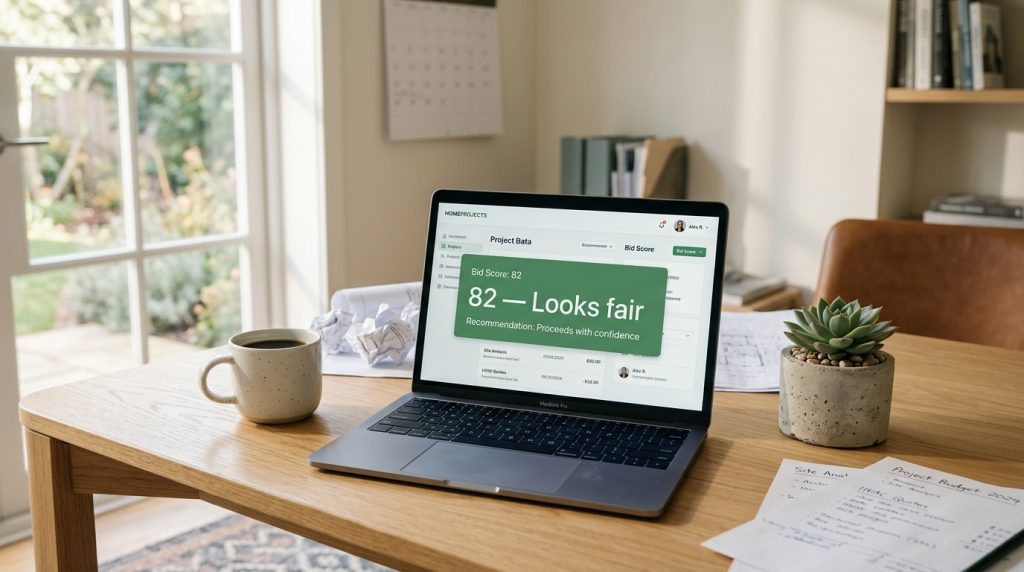
Ultimately, I built a tool for RemodelerIQ.com to do exactly what I wished I could do effortlessly: break down quotes, identify potential padding, and generate the right questions to ask. It’s the culmination of years of frustration and learning. Because no homeowner should feel like they’re flying blind when making one of the biggest investments of their lives.
Frequently Asked Questions
What’s the difference between an estimate and a bid/quote?
An estimate is a rough idea of cost, often given early in the process before detailed plans exist. It’s educated guesswork. A quote (or bid) is a firm price for a defined scope of work, based on detailed plans and specifications. Always aim for a detailed quote before signing anything; estimates are too vague for financial commitments.
How many quotes should I get for my project?
I always recommend at least three, but ideally four or five. This gives you a broader range of pricing, allows you to compare different approaches, and helps you spot outliers. More quotes mean more data, which leads to better decisions and a stronger negotiating position.
What’s a reasonable contingency fund percentage?
For most remodels, I’d suggest budgeting 10-15% of the total project cost for contingency. If you’re doing a very old house or extensive structural work, you might push that to 20%. This fund is for truly unforeseen issues, not for design changes you make mid-project. Make sure your contractor clearly outlines how this fund is managed.
Is the lowest bid always the best option?
Absolutely not. The lowest bid often means corners are being cut, less experienced labor is being used, or it’s a ‘bait and switch’ to get the job, followed by numerous change orders. Focus on the *value* – a fair price for quality work and clear communication – not just the lowest number. Trust your gut if a bid seems too good to be true.
What should I do if a contractor refuses to give an itemized quote?
Walk away. Seriously. A contractor unwilling to provide a detailed, itemized quote is either hiding something, disorganized, or simply doesn’t respect your need for transparency. This is a massive red flag. You deserve to know exactly what you’re paying for before any work begins.
Can I negotiate contractor quotes, and if so, how?
Yes, always negotiate! Start by asking clarifying questions about every line item you don’t understand or that seems high. Don’t demand a lower price outright; instead, ask ‘Is there flexibility on this line?’ or ‘What options do we have to reduce the cost of X without compromising quality?’ Sometimes, negotiating means adjusting the scope slightly, not just cutting the price. Be polite but firm.





Leave a Reply