

How Your City and State Swing a Remodel Bid by 30%
The Definitive Regional Cost Guide for Homeowners
Remodeling costs aren’t fixed. They’re a dynamic dance between national trends and hyper-local realities. Your zip code, state regulations, and even local weather can swing a bid by as much as 30%. Understanding these regional cost drivers is the key to decoding your estimates and protecting your equity.
Your remodel bid can fluctuate by up to 30% depending on your location. This is driven by local labor rates, permit fees, material logistics, and seasonal demand. High-cost urban centers and regions with complex regulations or limited skilled labor will see significantly higher prices than average.

The Unseen Hands: Labor, Permits & Logistics
Most homeowners look at a bid and only see the total number. But behind that number are layers of costs that change dramatically depending on where you live. Think of it like this: a gallon of milk costs more in Alaska than in Texas. The same goes for your remodeling project, but with far more variables than just transportation. These are the unseen hands that shape your project’s final price tag.
70%
OF PROJECT COST GOES TO LABOR & OVERHEAD IN HIGH-COST AREAS
Source: RemodelerIQ Aggregate Bid Analysis (2026)
$75.32
MEDIAN HOURLY WAGE FOR CARPENTERS IN SAN FRANCISCO-OAKLAND-HAYWARD, CA
Source: BLS OEWS 2026 (2026)
$22.88
MEDIAN HOURLY WAGE FOR CARPENTERS IN BECKLEY, WV
Source: BLS OEWS 2026 (2026)
Labor Rates: The Biggest Swinger

Permit Processes: More Than Just Paperwork
Hidden Cost #1: Permit Fees
These fees, paid to your local city or county, cover inspection and administrative costs. They vary wildly. A major kitchen remodel permit might be $500 in one county and over $5,000 in a more regulated, high-cost city.
Hidden Cost #2: Time & Bureaucracy
Permit approval can take weeks or even months. Contractors factor this delay into their schedules and overhead. Complex jurisdictions, like many in California or the Northeast, have stringent energy codes and historic preservation rules, adding layers of review.
Hidden Cost #3: Expertise
Navigating complex permit processes requires specialized knowledge. Some contractors even hire permit expeditors. This expertise comes at a cost, passed directly to the homeowner. It’s a red flag alert if a contractor suggests you pull the permits yourself.
Material Logistics & Seasonal Swings
Beyond labor and permits, the journey of your materials and the rhythm of the seasons profoundly affect your project’s bottom line.
Material Costs: Where Do They Come From?
The price of lumber, drywall, and even plumbing fixtures can shift based on global supply chains, but local availability and transportation costs play a huge role. For instance, if you’re building in a remote area, trucking costs for materials will be higher. Or, if a specific type of stone is only quarried 2,000 miles away, expect to pay a premium. The honest truth is, material costs are rarely the largest variable in a regional estimate, but they can add up, especially for specialty items.
The Talk Track: Questions to Ask About Regional Costs
“How do local permit fees and inspection schedules impact my project timeline and total cost?”
Why: This forces the contractor to outline the administrative burden and associated costs upfront, rather than surprising you later.
“Can you provide a breakdown of estimated labor hours and rates for the key trades involved in my project, considering our local market?”
Why: This helps you compare labor costs against local BLS data and understand where a contractor might be padding their rates.
“What are your specific strategies for mitigating material delivery costs or potential delays due to local supply chain issues?”
Why: Reveals if they have solid logistical plans or if they’ll simply pass on every unexpected charge.
“Are there any seasonal pricing variations for labor or materials in our area that I should be aware of?”
Why: A knowledgeable contractor will understand local market rhythms and might offer insights into optimal timing.
Frequently Asked Questions
Why do contractors in some cities charge so much more?
High-cost cities typically have a higher cost of living, leading to higher wages for skilled labor. More stringent building codes, complex permit processes, and increased demand for remodeling services also drive up prices. These aren’t just contractor markups; they reflect real operating expenses.
How can I find reliable cost data for my specific city?
RemodelerIQ offers detailed cost guides for 52 major US cities, leveraging aggregate bid data and local market analysis. You can also consult local builders’ associations or even talk to architects and designers in your area for local insights.
Are material costs truly that different regionally, or is it mostly labor?
While global supply chains dictate base material prices, local logistics, taxes, and distributor markups do create regional variations. However, labor rates and associated overhead (like insurance and permits) are almost always the biggest drivers of regional cost differences, often accounting for 60-70% of a project’s cost in urban areas.
Should I consider hiring a contractor from a cheaper neighboring county?
This can sometimes save money on labor, but red flag alert: it often introduces other complications. Contractors must be licensed to work in your jurisdiction, understand local codes, and be willing to travel. Travel time will be billed. It’s usually better to work with local contractors who are established in your specific market.
What’s the ‘lock-in effect’ and how does it relate to remodeling costs?
The ‘lock-in effect’ describes homeowners staying in their current homes rather than selling, often due to historically low mortgage rates they secured years ago (around 80% of mortgaged homeowners have sub-5% rates). This increases demand for remodeling, as people improve their current homes instead of buying new ones, which can drive up contractor availability and prices in competitive markets.
How can RemodelerIQ help me understand regional pricing?
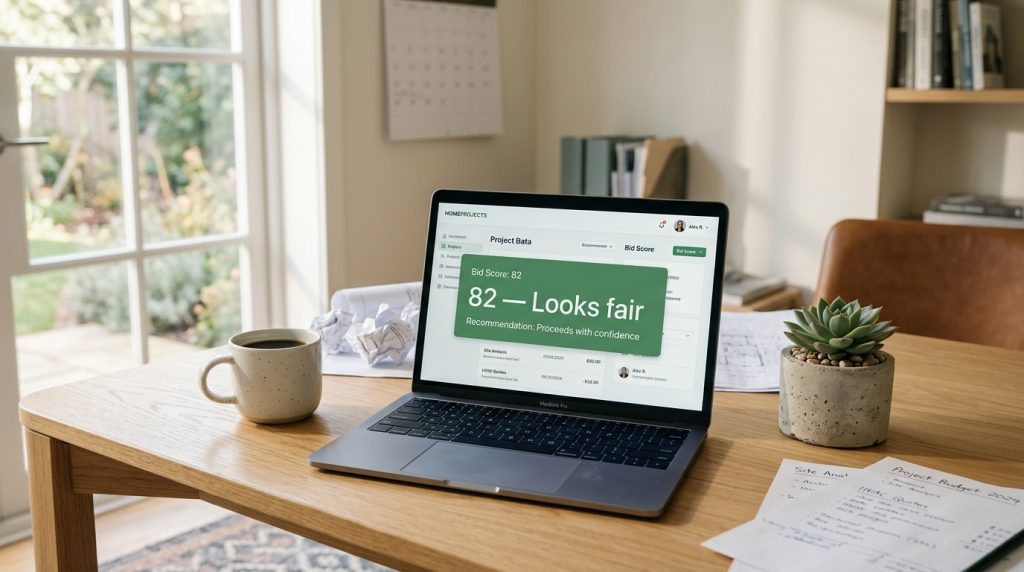
RemodelerIQ’s bid analysis uses local market data, including BLS labor rates and Zonda Cost-vs-Value reports for your specific region, to give you a Confidence Score. This helps you understand if your contractor’s bid is fair for your area, flag potential overcharges, and ensure scope completeness based on typical projects in your city.




Leave a Reply